
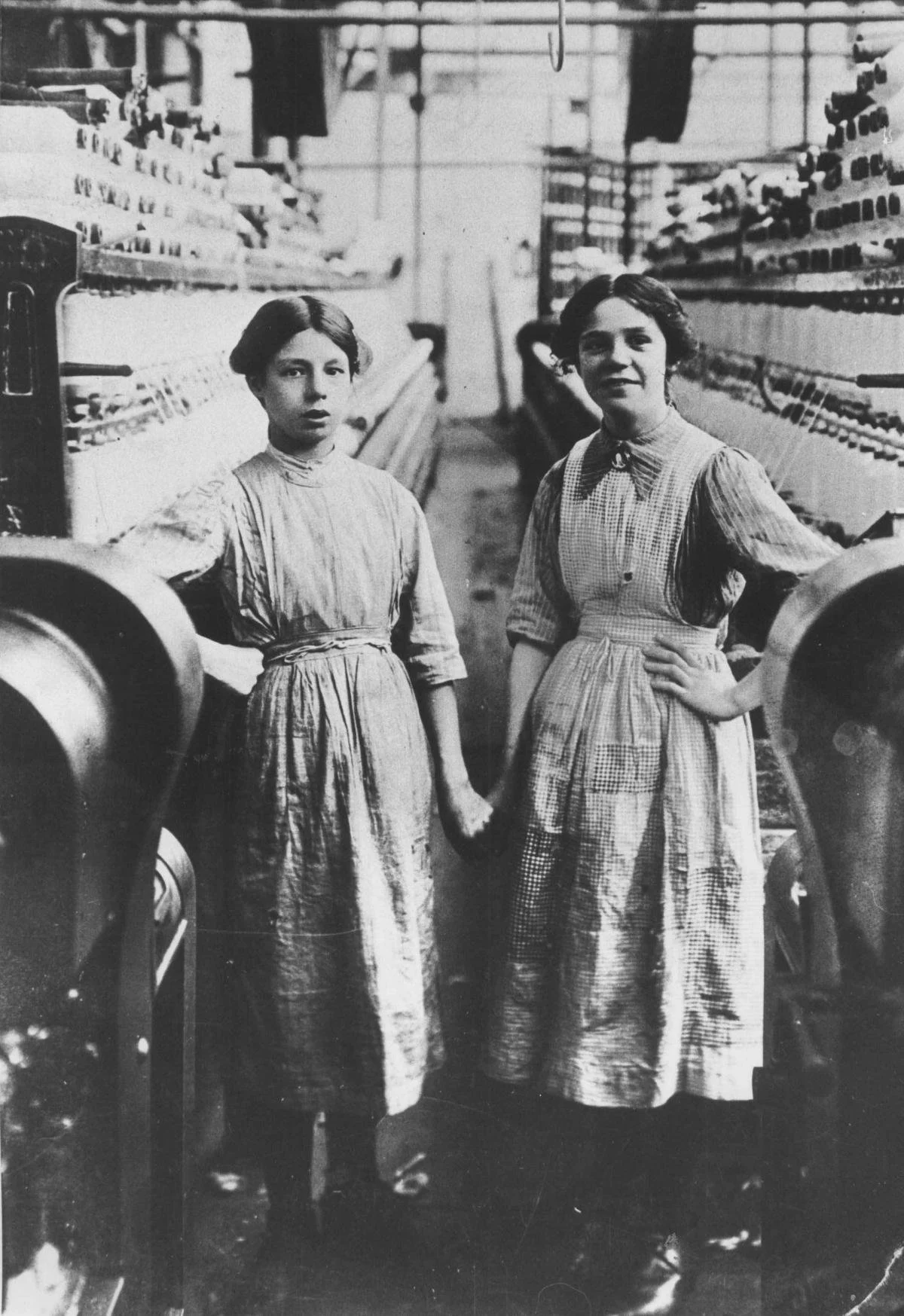
“Mills produced cloth, but pockets carried lives.”
The Pocket Archive
What people carried tells the story machines cannot.
The word pocket comes from the Old French poque, meaning a small pouch or bag. Long before pockets were sewn into garments, people carried their lives in fabric pouches tied close to the body. Over time, these private spaces moved inside our clothes, becoming an everyday but often unnoticed part of dress.
During the Industrial Revolution, as work changed, so did the worker. In the clatter of textile mills, layered clothing gave way to the practicality of aprons and functional seams. Within these small spaces, workers kept the essentials of daily survival: tools, wage packets, spare bobbins, food wrapped in cloth, or a treasured photograph.
A pocket is small, but it reveals a great deal. What we choose to keep close shows how we work, how we care for others, and what we value enough to carry with us.
Two Worlds, One Seam
For the mill worker, a pocket connected the discipline of the factory to the reality of home. It formed a bridge between industrial time and personal identity. In a world organised by noise, machinery, and the clock, a pocket was often the only space a worker truly owned.
The Pocket Archive forms part of Lives in the Loom, Thread & Butter Collective’s living heritage programme exploring the human stories of Woodend Mill through clothing, objects, and participation.
Exploring the Archive
-
![A woman in a factory, standing with her hand on her hip, observing machinery and textile production.]()
The Weaver
The rhythm of skilled labour and the lint of the shed.
-
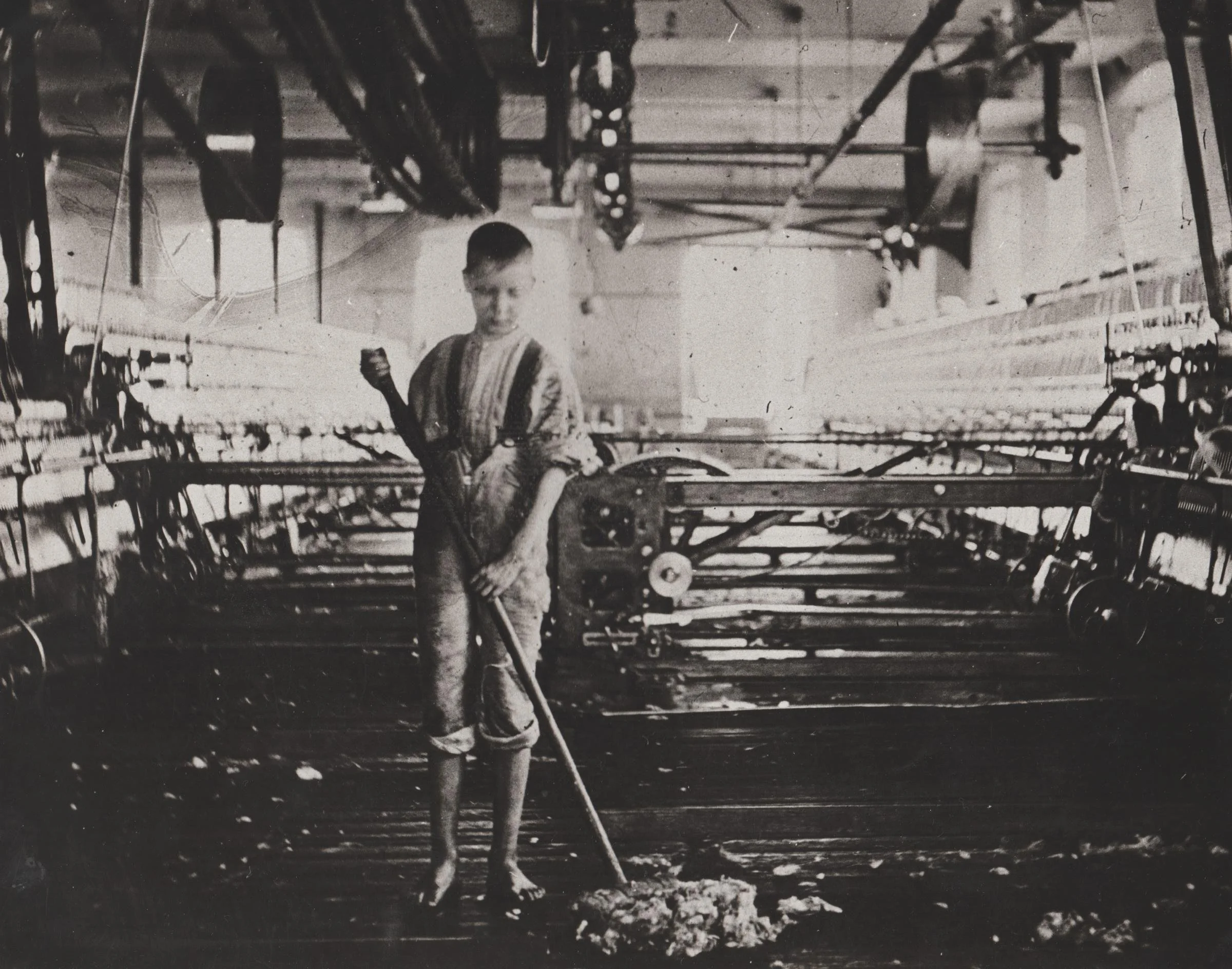
![A young boy in old-fashioned clothing standing barefoot in a factory or workshop, holding a long rod or tool, surrounded by machinery and equipment.]()
The Young Worker
The pride of first wages and the spark of ambition.
-
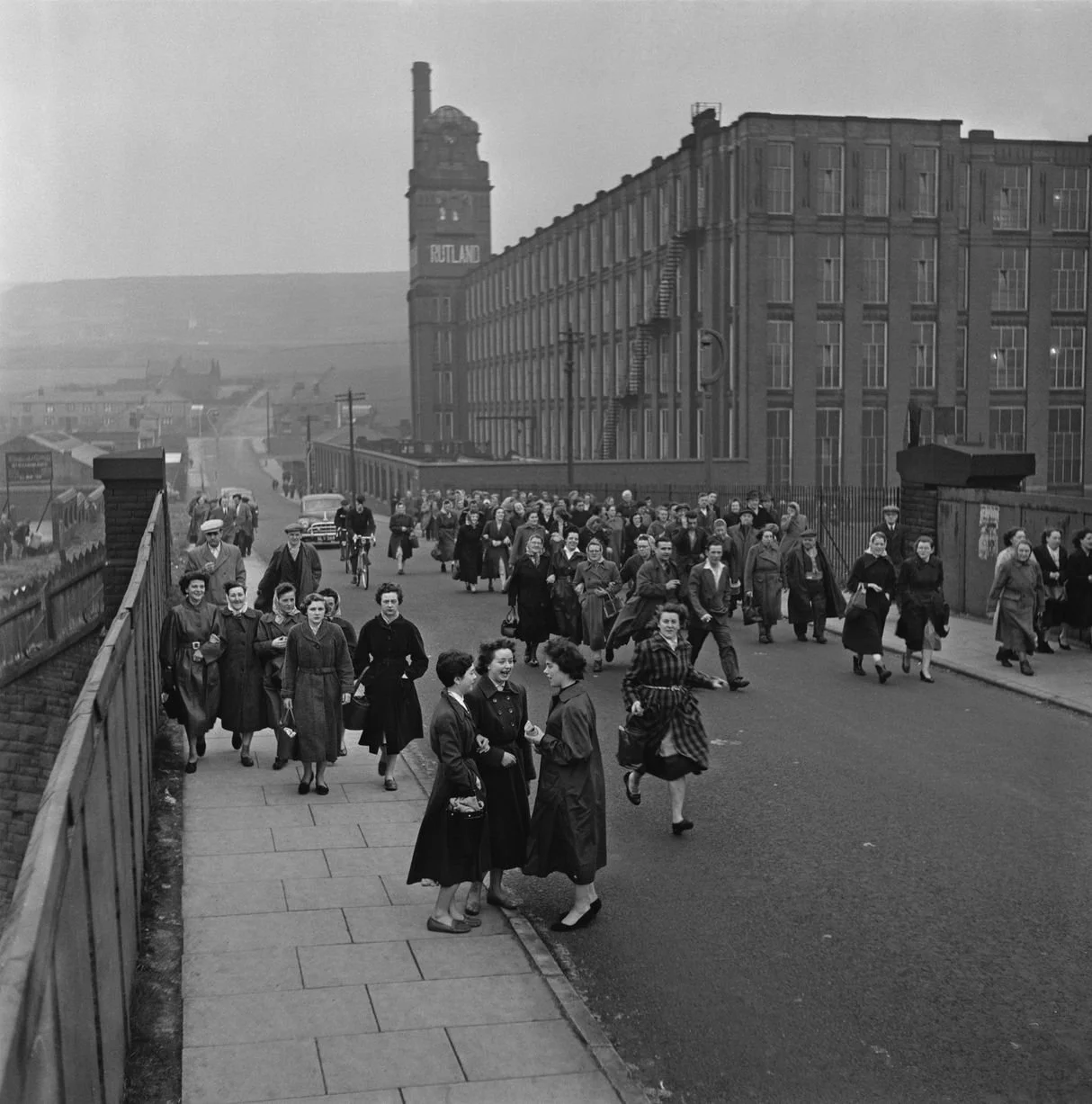
![Black and white photo of a large group of women walking on a city street, with some Talking and others walking. The street is lined with tall brick buildings and a factory with a chimney is visible in the background.]()
The Mother
The invisible thread between dual lives of care and toil.
-
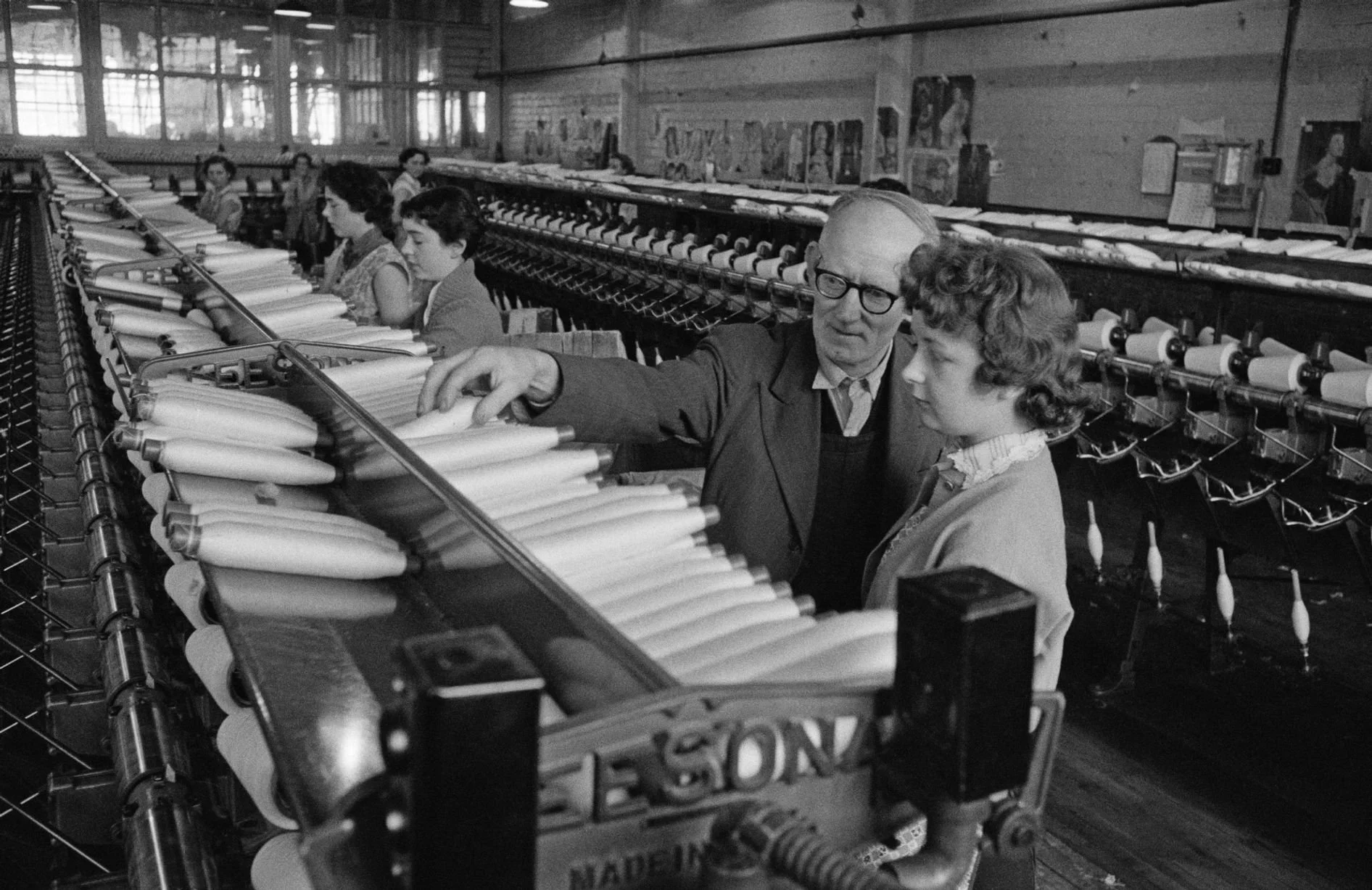
![A man and a young girl observing textile machines in a factory, with other women working in the background.]()
The Overlooker
The weight of authority, time, and organisation.
-
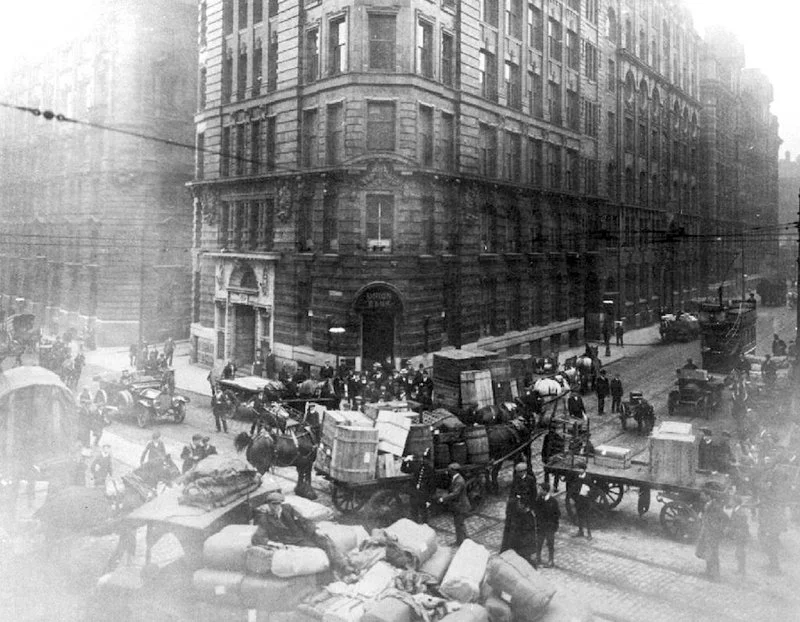
![Early 20th-century city street scene with horse-drawn wagons, pedestrians, and a large multi-story building in the background.]()
The Traveller
The global journeys of cotton that connected people and places.

Why Pockets?
By looking inside these small spaces, we uncover larger themes of shared history: dignity in work, gender and visibility, migration and belonging, and the continuity between the hands of the past and our own.
The archive invites visitors to encounter heritage through recognition — beginning with familiar objects before discovering the deeper histories they carry.
A Living Collection: Your Story
The Pocket Archive is not a fixed museum display; it is a growing conversation shaped by community participation.
What do you carry today, and what does it say about your life?
You are invited to contribute by:
sharing a memory or story
photographing everyday objects you carry
stitching a textile response for the community quilt
recording a reflection or joining a workshop
Together, we continue the story of the weaving shed — connecting the industrial cloth of the past with the creative community of today.